
52
Stepping up to a live blackjack table in a crowded casino can feel intimidating, even if you know basic strategy backward and forward. The green felt is governed by strict mathematical probabilities, but it is equally ruled by a web of customs, procedural superstitions, and rigid security standards. While the house rules dictate how the cards are dealt, table etiquette dictates how players are expected to behave.
Understanding these unwritten expectations does more than prevent embarrassing reprimands from the dealer. It protects your bankroll, earns the respect of the floor staff, and keeps the game moving smoothly for everyone involved. Whether you are walking up to a five-dollar table on the Las Vegas Strip or sitting down at a high-limit salon in Atlantic City, these fundamental guidelines will keep you from looking like an amateur.
Buying In Without Disrupting the Flow
The rhythm of a blackjack table begins before you play your first hand. How and when you buy your chips signals your experience level immediately.
Never place your cash directly into a dealer’s hands. Due to strict surveillance regulations, dealers cannot accept money handed across the table. Doing so compromises the security cameras, known as the eye in the sky, which must see every transaction clearly. Instead, wait for the current hand to resolve completely, then lay your cash flat on the felt in front of you, well outside the betting circle.
Timing matters just as much as placement. Sliding a stack of hundred-dollar bills onto the felt while the dealer is in the middle of pitching cards or paying out winning bets halts the momentum of the round. Wait until all payouts are settled and the dealer signals that the betting window is open.
When you buy in, state clearly whether you want the entire amount broken down into gaming cheques or if you only want a portion converted. Once the dealer counts your bills, calls out the amount to the floor supervisor, and slides your chips across the felt, pull them toward your rail promptly. Do not leave them resting in the middle of the layout.
The Sacred Language of Hand Signals
At a modern casino table, spoken words mean remarkably little to overhead cameras. Surveillance systems cannot consistently capture clear audio over the ambient roar of slot machines and background chatter. As a result, every decision you make must be communicated with distinct physical hand signals.
Shoe Games and Face-Up Cards
In standard multi-deck games where cards are dealt face-up from a plastic shoe, players are strictly forbidden from touching the cards under any circumstances. Touching face-up cards triggers immediate scrutiny for card-marking or card-switching cheats. Instead, communicate your moves using standard gestures:
-
To Hit: Tap the felt lightly with one or two fingers behind your betting spot.
-
To Stand: Wave a flat hand horizontally across your chips, palm down, signaling that you are satisfied with your total.
-
To Double Down or Split: Place your additional wager directly alongside your original bet, never on top of it. For a split, extend two fingers in a V-shape to confirm your intent without needing to say a word.
-
To Surrender: If the table allows late surrender, draw a single horizontal line behind your betting circle with your index finger, stating “surrender” aloud so the dealer hears your intent.
Pitch Games and Face-Down Cards
Single-deck and double-deck games often feature cards dealt face-down, requiring players to pick up their hand. These tables follow a different, even stricter code of conduct.
Always handle your cards with one hand only. Never switch the cards between hands, hide them beneath the edge of the table, or hold them out of direct sight of the dealer and cameras. To signal a hit in a pitch game, lightly brush or scrape the corners of your cards toward you against the felt. To stand, slide the cards face-down neatly under the edge of your betting chips without moving or lifting the stack.
Chip Handling and the Betting Circle
The betting circle is sacred ground once the cards begin to emerge from the shoe. Violating the space around your wager is the fastest way to get an earful from the dealer or draw unwanted attention from the pit boss.
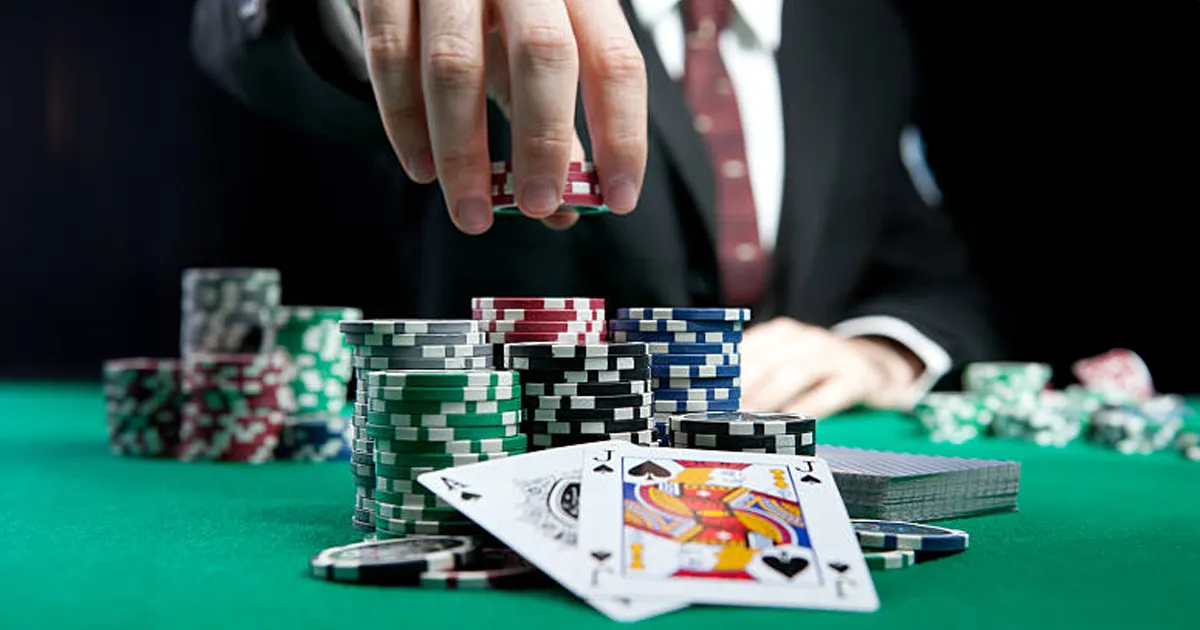
Never touch your chips while a hand is live. Once your bet is placed and the dealer begins pitching the first card, your hands must back away from the circle entirely. Reaching in to rearrange your stack, touch a single chip, or pull money back creates an instant suspicion of past-posting (adding chips to a winning hand) or pinching (removing chips from a losing hand). Leave your wager alone until the round is over and all winnings are settled.
Stack your chips in proper order before the hand begins. Casino protocol requires that higher-denomination chips go on the bottom, with lower-denomination chips stacked on top. If you place a red five-dollar chip underneath a green twenty-five-dollar chip, the dealer will pause to restack them correctly. This prevents disputes over the true size of the wager and ensures the overhead surveillance team can assess the table value at a glance.
When you win an even-money bet, let the dealer place the payout directly adjacent to your original stack. Wait for the dealer to finish paying every player at the table before collecting your winnings. Grabbing your payout too early can accidentally interfere with the dealer’s routine as they sweep around the semicircle.
The Sociology of the Table: Third Base and Unsolicited Advice
Blackjack is an individual game played in a collective environment. While every bettor plays solely against the dealer’s hand, human nature often leads players to treat the game as a team sport. This dynamic comes with social friction that every player must navigate.
The Myth and Reality of the Anchor Seat
The final seat to the dealer’s right, commonly referred to as third base or the anchor position, carries immense psychological weight at an active table. The anchor makes the last decision before the dealer reveals their hole card.
Mathematically, another player’s decisions have virtually zero impact on your long-term expected return. A poor hit at third base is just as likely to save the table by absorbing a card that would have given the dealer twenty-one as it is to cause the dealer to draw an ideal five to make a hand.
Emotionally, however, the table will remember every single time an unconventional hit by the anchor causes the dealer to make a hand instead of busting. If you choose to sit at third base, be prepared for intense scrutiny if you deviate from textbook basic strategy. If you prefer to experiment with erratic plays or rely heavily on intuition, choose a seat near the middle of the layout to avoid unnecessary friction.
Knowing When to Speak
Unsolicited strategic advice is rarely welcomed. If another bettor is hitting a twelve against a dealer’s six, grimacing or lecturing them on probability only breeds hostility. Unless a novice explicitly turns to you and asks what the book recommends, keep your thoughts to yourself.
Conversely, if you are unsure of the optimal move on a complex total, you can always ask the dealer. Dealers are permitted to explain what basic strategy dictates in any given situation. Because dealers have no financial stake in whether the house or the player wins a standard hand, their strategic advice is almost always honest and accurate according to basic charts.
Working with the Dealer and Tipping with Purpose
Dealers spend hours standing on their feet, managing intense mathematical pressure, adhering to rigid procedures, and absorbing the frustrations of losing players. Treating your dealer with respect makes the session far more pleasant and often earns you subtle courtesies, like friendly reminders when you overlook an obvious double-down spot.
Tipping, known in casino vernacular as giving “tokes,” is customary in American gambling culture. While you can simply slide a chip toward the dealer at the end of a session and say “this is for you,” placing a bet on their behalf creates a much more engaging dynamic.
To place a bet for the dealer, position a small chip just outside the front or side of your betting circle, or set it directly on top of your own wager slightly overlapping the edge. Announce clearly that the additional chip is for the crew. If your hand wins, the dealer gets paid at standard odds, doubling their tip. Many dealers genuinely enjoy having skin in the game alongside you, and it transforms a transactional exchange into a shared pursuit of a hot shoe.
If an honest mistake happens—such as an incorrect payout calculation or a misread hand—remain calm. Do not yell, snatch cards, or create a scene. Simply point out the discrepancy politely and ask the dealer to verify the hand. If there is genuine confusion, the dealer will call the floor supervisor, who will calmly review the hand or request a quick camera playback to rectify the error down to the cent.
Maintaining Table Momentum and Exiting Cleanly
A smooth blackjack game relies on rhythm. When a single seat slows down the pace, the energy evaporates.
Keep your mobile phone in your pocket. Most modern casino jurisdictions strictly prohibit players from using phones, texting, or taking photos while seated at an active table. Checking your email mid-shoe delays the game and invites immediate warnings from floor supervisors who monitor security perimeters closely.
Know what you intend to do before the action reaches your position. While difficult hands like a soft eighteen against an ace warrant a moment of thought, routine plays should take seconds. Pausing for thirty seconds on an obvious sixteen against a face card drains the table’s momentum and frustrates fellow players who want to ride a positive shoe.
When you are ready to walk away, do not simply grab a giant pile of low-denomination chips and head for the cage. Wait for the hand to conclude and tell the dealer you would like to color up. Push your chips forward between hands. The dealer will count your stacks, exchange the loose reds and greens for higher-denomination black or purple chips, and slide the consolidated stack back to you. Coloring up keeps the dealer’s tray balanced, makes carrying your bankroll effortless, and saves valuable time at the cashier window.
Confidence Through Courtesy
Every veteran at the blackjack table was once a beginner unsure of where to place their hands or how to signal a split. What separates a seasoned gambler from a disruptive tourist is not an encyclopedic memory of obscure card counts, but a quiet respect for the mechanics of the game.
By executing clean hand signals, keeping your hands off active bets, respecting the dealer’s duties, and honoring the collective rhythm of the room, you eliminate friction before it starts. You step up to the felt not as an anxious outsider, but as an informed participant ready to play the game the way it was meant to be played.
