
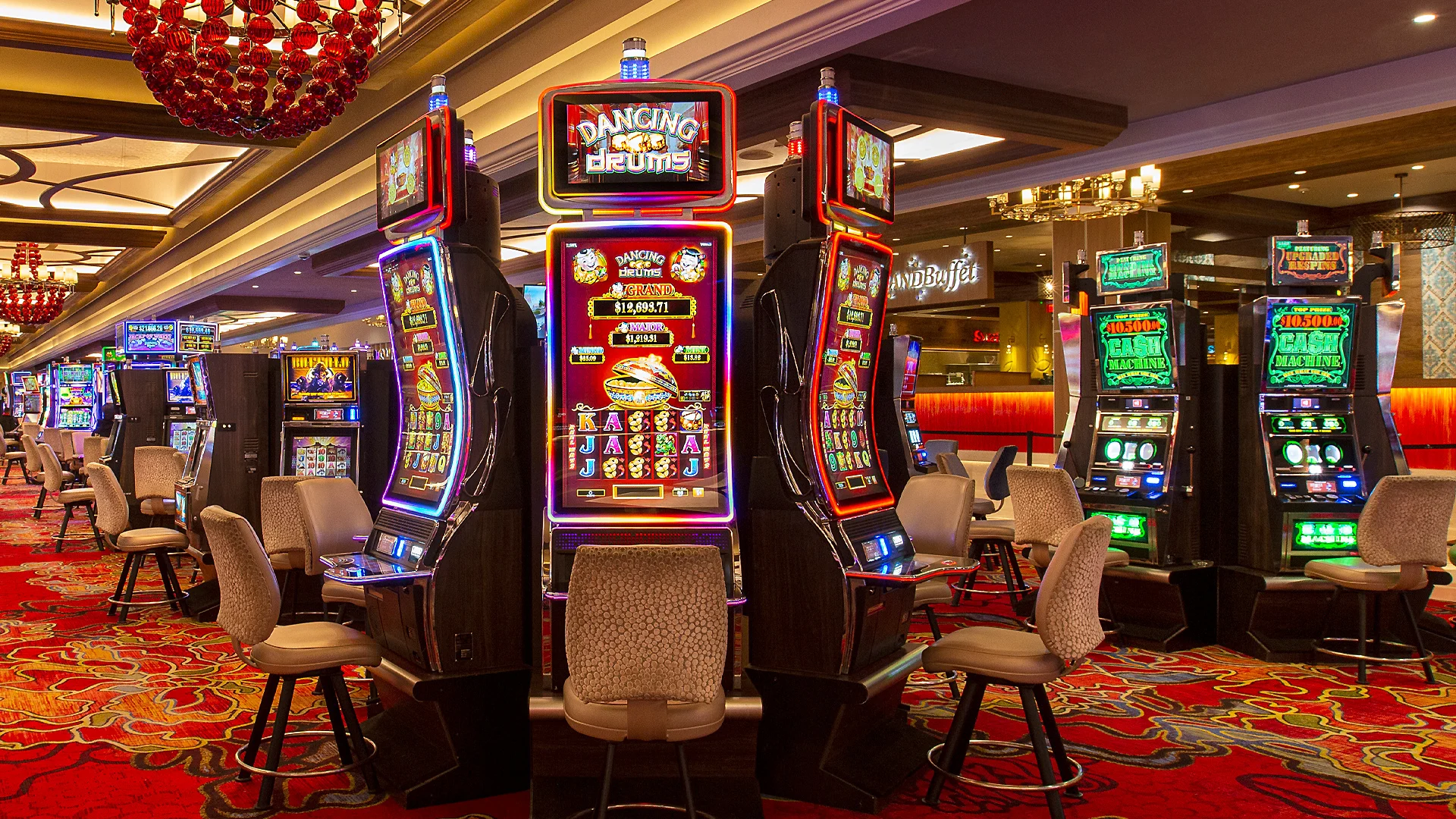
Slots have progressed from simple mechanical reels into advanced digital systems built on mathematics, technology, and player psychology. Despite their straightforward appearance, modern Slots operate through carefully engineered algorithms that create a balance between entertainment, randomness, payout structure, and long term sustainability. Because of this blend of engineering and user experience, the game has secured a strong presence in American gaming culture. In many settings, players appreciate the combination of familiarity, accessible play, and dynamic features that make each spin feel distinct. The growing variety of themes, volatility levels, and bonus structures has expanded the audience beyond casual gamers and into more analytically minded players who want to understand how these systems function behind the scenes.
Understanding how Slots work helps players make informed choices rather than relying on instinct alone. Although chance dictates individual outcomes, key factors such as bankroll management, volatility selection, payline configuration, and bonus frequency can significantly influence long term experience. By taking time to understand the underlying mechanics, players can approach the game with a stronger grasp of expectation, pacing, and decision making.
How Modern Slot Technology Works
Modern Slots operate using a Random Number Generator, or RNG, which ensures every spin is independent from the next. The RNG produces thousands of number combinations per second and maps those numbers to specific reel positions. The final stop position that appears when a player presses spin is simply the latest output generated by the algorithm. Because of the continuous motion of the RNG, timing, speed, and previous outcomes do not influence future results.
Why RNG Technology Matters
The integrity of the RNG system ensures that:
- Outcomes cannot be predicted or manipulated
- Each spin carries identical probability
- Long term return percentages reflect programmed design
- Payout distribution aligns with regulatory fairness standards
- No player can gain an unfair advantage through pattern recognition
This structure prevents bias and ensures that Slots follow designated payout parameters while remaining entirely random in the short term.
The Role of Return to Player and House Advantage
Every slot has a Return to Player value, commonly known as RTP. RTP represents the percentage of wagered money a machine will return to players over an extended timeframe. While short sessions may vary widely, RTP provides insight into long term performance.
Understanding RTP in Real Terms
A slot with a 96 percent RTP is theoretically expected to return 96 dollars for every 100 dollars wagered over millions of spins. This does not guarantee personal results but signals the relative efficiency of the game. Players who pay attention to RTP can choose games that offer more value and potentially smoother outcomes.
Key Influences on House Advantage
The house retains its edge through:
- Payout structures that favor smaller consistent wins
- Bonus thresholds that require high wager volume
- Volatility levels that determine how rewards are spaced
- Fixed mathematical models that balance player reward and operator sustainability
Understanding these dynamics allows players to select games that match their personal preferences for risk, pacing, and reward patterns.
Volatility and Game Behavior
Volatility describes how frequently a slot pays out and how large those payouts tend to be. High volatility Slots deliver larger but less frequent wins, while low volatility Slots focus on smaller, more consistent payouts. Medium volatility sits between these extremes.
Choosing Volatility Based on Play Style
Players who prefer stable sessions often gravitate toward lower volatility options because they provide ongoing reinforcement and extended playtime. Risk seeking players enjoy high volatility games, as they offer the potential for substantial payouts but require patience and a well managed bankroll. Those who want a balanced experience often appreciate medium volatility structures.
Volatility also influences emotional pacing. High volatility games create suspense through long intervals between major features, while low volatility games keep players engaged with continuous action.
Bonus Features and Advanced Mechanics
Modern Slots integrate diverse bonus features designed to enhance engagement and increase reward potential. These include free spin rounds, expanding symbols, multipliers, cascading reels, wild variations, and interactive mini games.
Free Spin Features
Free spins represent one of the most popular bonus components. During free spins, the cost of each spin is removed from the player while retaining full payout possibilities. Many games enhance free spin rounds with stacked symbols, additional multiplier levels, or wider reel sets.
Multipliers and Cascading Reels
Multipliers increase winnings by multiplying the value of successful combinations. Cascading reels remove winning symbols and replace them with new ones, allowing consecutive wins within the same spin. These elements boost excitement and create opportunities for extended payout sequences.
Progressive Systems
Progressive slots contribute a small portion of each wager to a collective jackpot. Over time, that jackpot can grow to significant levels. Progressive games often require maximum bet levels or special triggers to access top prizes, making it essential for players to understand specific rules before participating.
The Psychology Behind Slot Engagement
The design of Slots is deeply connected to behavioral science. Payout intervals, sensory effects, sound design, and reel animations all contribute to the overall experience. Each element has been refined to create a paced rhythm that heightens anticipation without overwhelming the senses.
Reinforcement Patterns
Slots rely on intermittent reinforcement, a behavioral principle in which rewards are delivered unpredictably. This creates excitement because players cannot anticipate when the next win or bonus will arrive. Visual effects and engaging audio signals amplify these reinforcements, making even smaller wins feel meaningful.
Sensory Immersion
Every detail supports engagement, including:
- Distinct reel animations
- Reward focused sound effects
- Theming that aligns with emotional cues
- Strategic color use to signal bonus potential
- Dynamic pacing through varying reel stops
These factors combine to produce an immersive environment that keeps players attentive and invested.
Choosing the Right Slot Game
With thousands of Slot titles available, selecting a suitable game requires evaluating more than just theme or appearance. Key considerations include payout structure, volatility level, special features, and overall session length expectations.
What Experienced Players Look For
Experienced players often evaluate:
- Paytable clarity and value distribution
- RTP percentage and volatility alignment
- Frequency of bonus triggers
- Feature variety and engagement level
- Betting range compatibility with bankroll
Games with balanced features and transparent mechanics typically offer more satisfying long term play.
Bankroll Management for Sustainable Sessions
Bankroll discipline is essential in Slots due to the natural variance built into the game. Proper management allows players to pace sessions effectively and avoid financial strain.
Essential Bankroll Principles
Players benefit from:
- Setting a firm budget before each session
- Choosing bets proportional to bankroll size
- Avoiding rapid bet increases during losing streaks
- Taking breaks to maintain clarity
- Tracking time spent and wagers made
Bankroll awareness supports responsible gaming and enhances overall enjoyment.
Understanding Paylines and Bet Structures
Paylines determine the patterns required to trigger payouts. Some Slots use fixed paylines, while others allow players to select the number of active lines. Additionally, modern games may use cluster pays or ways to win systems, which expand winning opportunities.
Payline Configuration
Traditional paylines require symbols to align in specific paths. In contrast, ways to win systems award payouts based on matching symbols from left to right regardless of fixed line patterns. Cluster systems reward grouped symbols touching each other.
Understanding these configurations gives players a clearer expectation of how often wins may occur and how bet size correlates with payout potential.
The Impact of Skill and Strategy
Slots are primarily chance based, but strategic choices can improve the overall experience. These strategies do not guarantee winnings but help players manage outcomes more effectively.
Practical Strategies
Useful approaches include:
- Selecting games with favorable RTP
- Avoiding unnecessary maximum bets unless required for features
- Choosing volatility appropriate for session goals
- Setting win and loss limits
- Understanding bonus mechanics before participating
Strategy promotes structured decision making and reduces impulsive play.
Technological Advancements Shaping the Future of Slots
As technology continues evolving, Slots incorporate new forms of engagement, including enhanced graphics, skill influenced bonus games, and virtual reality environments. These advancements create more interactive and personalized experiences.
Key Innovations
Recent improvements include:
- High resolution reels with cinematic presentation
- Adaptive difficulty in bonus rounds
- Integrated tracking for personalized rewards
- Multi layer game logic to increase unpredictability
- Expanding reel grids that shift based on events
These changes reflect a dynamic future in which traditional spinning reels blend with game design elements from other digital entertainment categories.
Frequently Asked Questions
How does volatility really affect long term Slot results
Volatility determines the pattern of payouts, not the overall return percentage. High volatility games deliver larger but less frequent wins, making sessions feel dramatic but unpredictable. Low volatility games provide more stable but smaller results, ideal for extended play or smaller budgets.
Are Slots influenced by time of day or player traffic
No. RNG systems operate continuously and independently of external conditions. Time of day, machine occupancy, or casino volume do not affect outcome probabilities.
Can choosing specific themes impact payout potential
Themes influence design but do not alter the underlying math model. Two games with identical RTP and volatility will perform similarly regardless of theme or artwork.
Why do some players believe machines are due for a win
This belief stems from the misunderstanding of randomness. Each spin is independent, and previous outcomes have no impact on future results. Machines are never due because RNG processes remain constant.
Is it better to play many machines or focus on one
This depends on personal preference. Staying on one machine allows deeper understanding of its pacing and bonus rhythm, while moving between machines keeps sessions fresh. Neither approach changes the long term odds but can shape overall enjoyment.
How can players tell if a machine aligns with their budget
Players should review the minimum and maximum bet ranges, bonus feature requirements, and volatility level. Choosing games where average bet size fits comfortably within session bankroll helps prevent rapid depletion.
If you want, I can also create advanced guides on RTP modeling, volatility mapping, progressive system structure, or session pacing for optimal experience.
